JN Bentley high energy hazard programme delivers 3 million hours without a reportable injury
JN Bentley has passed 3 million hours worked without a reportable injury.
The milestone – which includes all JN Bentley, Mott MacDonald Bentley (MMB) and JBA Bentley sites and offices – reflects the success of the company’s control of high energy hazards programme and ongoing commitment to achieving zero injuries and preventing occupational ill health. It is the second time in company history the milestone has been reached.
The programme
The high energy hazards programme focuses on identifying and controlling the most significant risks present on construction sites. Stemming from a research paper published by the Edison Electric Institute, the approach identifies the sources of high energy, those with the potential to cause serious injuries, and introduces the requirement to implement either a direct, or a minimum of two secondary controls to prevent harm.
Over the last six months, the programme has been rolled out to 2,800+ colleagues – covering front-line, operational, commercial, design and business support staff – as well as client teams and the supply chain.
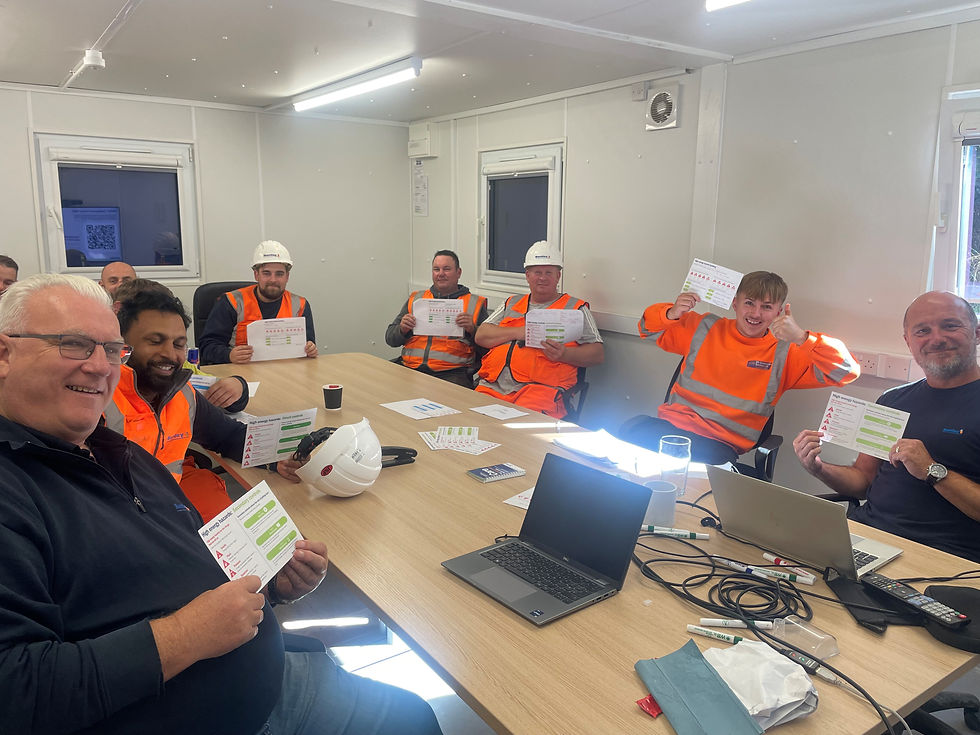
Since then, the business has seen excellent engagement across all operations. The programme has been well received by clients, with some beginning to integrate this into their own operations. Recently, MMB achieved a 100% score from Yorkshire Water via their SIF (serious injury or fatality) prevention maturity report, which assesses contract partners on how well embedded high energy hazards and their controls are within operations. The business was recognised for three areas of best practice, resulting in an overall maturity rating of 'Innovating' – the highest level.
Across the supply chain, increased collaboration and innovative thinking has led to the development of solutions that eliminate, reduce and isolate high energy – making site operations safer.
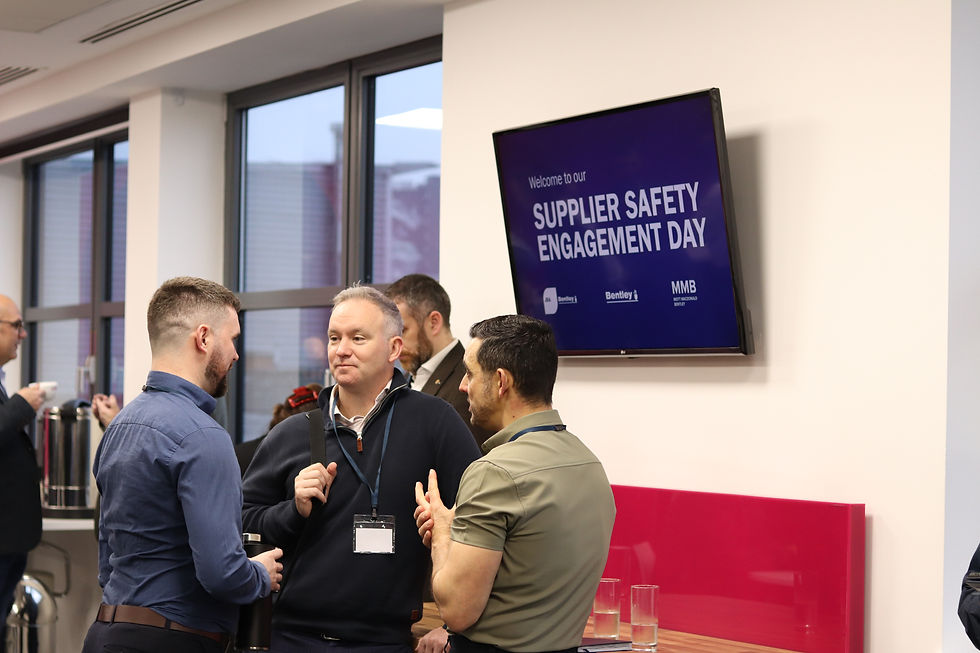
The control of high energy hazards is now fully embedded into business as usual across all operations, with colleagues continuing to share ideas that spark discussions around effective hazard identification and controls.
Creating a great safety culture
The engagement with the high energy hazards programme has been central to maintaining a great safety culture at JN Bentley – one where colleagues demonstrate their commitment by choosing safe behaviours, creating safe habits and constantly looking out for each other.
Colleagues across the business demonstrate safety engagement by:
Leadership – setting a positive example and discussing unsafe behaviours
Knowledge – understanding company expectations and processes
Responsibilities – taking personal responsibility for controlling the hazards present
Compliance – following the high standards required to keep everyone safe.
In 2025 this engagement delivered record safety performance with the all injury frequency rate (AIFR) at its lowest ever level, and record numbers of positive intervention (PI) reporting, up 13% on 2024, and more individuals reporting than ever before. Since the roll-out, over 2,200 positive interventions reported relate to identifying and managing the risks associated with high energy hazards. These reports, known as ‘Talk Safes’ and ‘Made Safes’, keep people safe through positive safety conversations and by taking positive action, which both improve understanding, and influence behaviours.
The company’s approach to high energy hazards was recently featured in the Environment Agency’s Current magazine (page 5) – plus read more about JN Bentley’s safety strategy the company website.